PASCO COUNTY POOL SCREEN
REPAIR & RESCREENING
Request help for damaged pool cages, lanais, patios, screen doors, and individual panels across Wesley Chapel, Land O' Lakes, and nearby Pasco communities.
SCREEN REPAIR SERVICES FOR PASCO HOMES
POOL CAGE RESCREENING
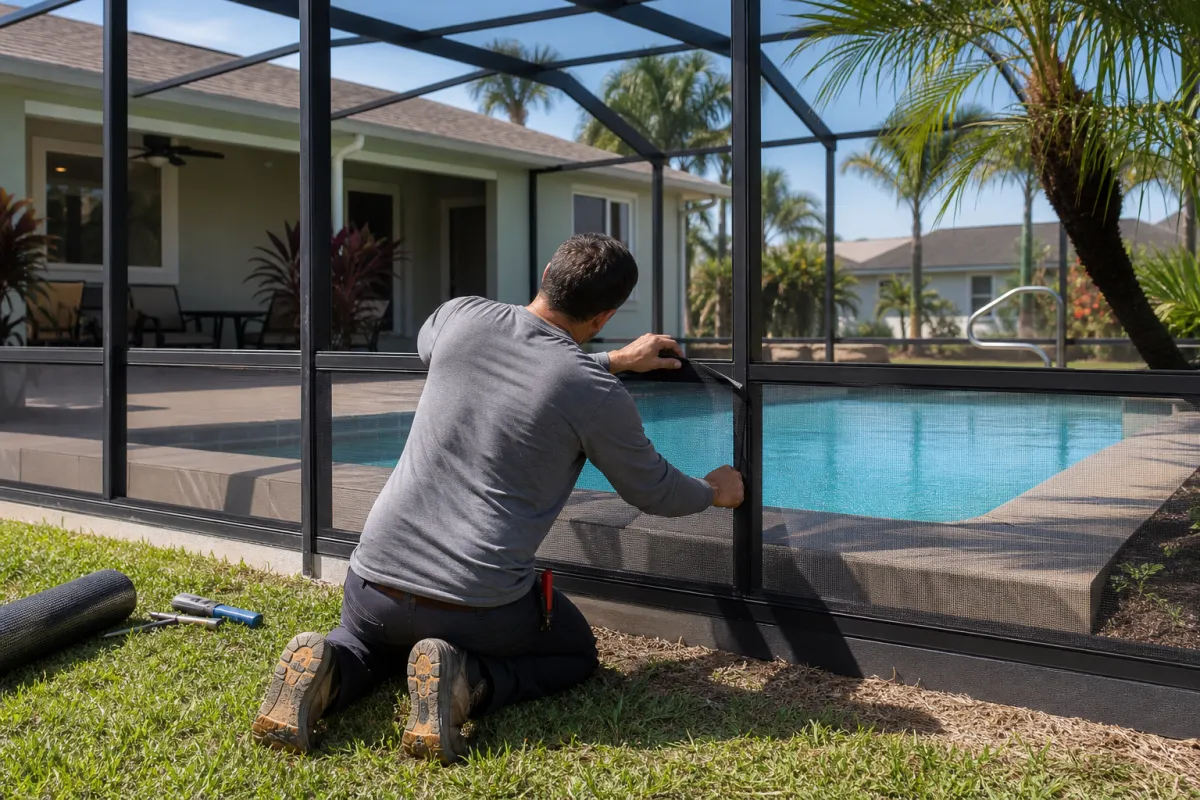
Pool-cage rescreening replaces aging, brittle, loose, or repeatedly patched mesh across an entire enclosure. It may be appropriate when damage affects many wall or roof panels, the existing screen has faded or weakened, or individual repairs would leave the enclosure uneven. Homeowners can request help for full pool-enclosure rescreening, lanai rescreening, patio screening, and pool-cage screen replacement. Include the enclosure size, visible problem areas, preferred mesh questions, and any storm-related damage. A participating contractor will inspect the structure, explain suitable screen options, confirm whether framing or door repairs are also needed, and provide the final repair plan and price before work begins.
SCREEN PANEL REPLACEMENT
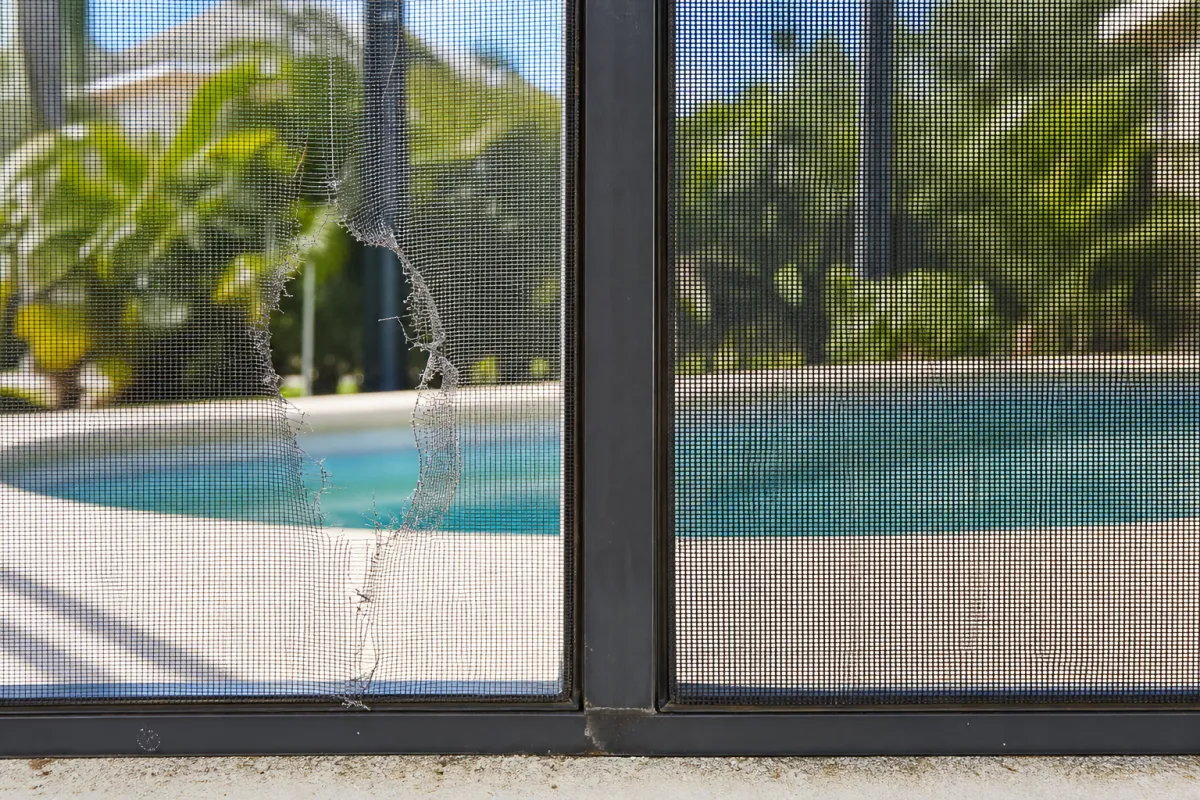
Individual screen-panel replacement is often the practical choice when most of a pool cage, lanai, or patio enclosure remains in usable condition. Common requests include torn mesh, holes caused by pets or windblown debris, loose spline, separated edges, and damaged wall or roof panels. Tell us how many panels appear affected, where they are located, and whether access may require work above the pool or on the enclosure roof. Photos help show the panel shape and surrounding frame. The assigned contractor will determine whether a targeted repair is appropriate, check for related door or framing issues, confirm material availability, and quote the repair before scheduling.
LANAI, PATIO & DOOR REPAIR
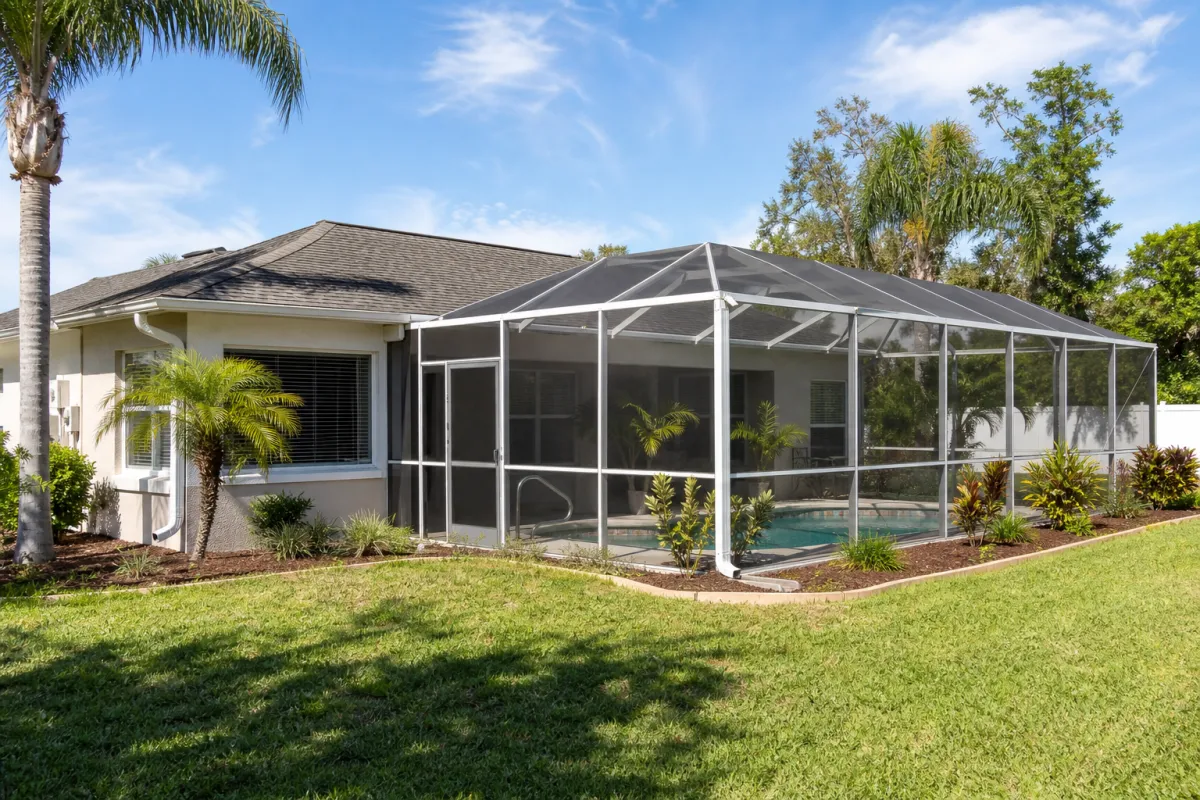
Screened lanais, patios, porches, and enclosure doors face constant sun, rain, humidity, insects, pets, and seasonal wind. Repair requests may involve torn or sagging mesh, a door that drags or will not latch, damaged kick plate areas, loose spline, worn hardware, or several adjacent panels that need attention. Describe the enclosure type and the part that is not working as expected. If framing appears bent, corroded, or separated, mention that clearly rather than assuming mesh replacement alone will solve it. A participating contractor will review the request, identify which repairs fall within their services, explain the recommended approach, and confirm coverage, scheduling, and final pricing.
A CLEARER WAY TO REQUEST SCREEN REPAIR
Pasco Screen Repair is a contractor-neutral request site for homeowners seeking help with pool screens, pool cages, lanais, patios, enclosure doors, and individual screen panels. The goal is to collect clear project details so a participating screen-repair contractor can quickly decide whether the location and repair type fit their service area. Primary coverage is Wesley Chapel and Land O' Lakes, with nearby requests from Lutz, Zephyrhills, San Antonio, Dade City, New Tampa, and other Pasco County communities considered when contractor availability allows. This site does not diagnose structural damage or set final prices. Instead, it helps you identify the enclosure type, describe the visible damage, share useful photos, and request follow-up. The contractor who accepts the request is responsible for confirming coverage, credentials, material choices, repair recommendations, scheduling, warranties, and the final written price before any work is authorized.
START WITH A CLEAR REQUEST
TELL US WHAT IS DAMAGED
Start with what you can see rather than guessing at a technical diagnosis. Note whether the problem affects a pool cage, screened lanai, patio, porch, enclosure roof, wall panel, or screen door. Estimate the number of damaged panels and describe symptoms such as torn mesh, loose edges, sagging screen, missing spline, a door that rubs, broken hardware, or framing that appears bent or separated. Mention whether the damage followed a storm, tree limb, pet activity, lawn equipment, or normal aging. If many areas look brittle or faded, say that a full rescreen may be worth evaluating. Clear details help route a small panel-replacement request differently from a complete pool-cage rescreening project, but the contractor will make the final recommendation after reviewing the property and available photos.
SIMPLE DETAILS. FASTER FOLLOW-UP.

1. DESCRIBE THE DAMAGE
Tell us whether the project involves a pool cage, lanai, patio, porch, roof panel, wall panel, or screen door. Estimate how many areas are damaged and describe visible conditions such as tears, holes, sagging mesh, loose spline, door problems, or bent framing. Mention whether the issue followed a storm or developed through normal wear. You do not need to diagnose the repair yourself; accurate observations are more useful than choosing a service based only on a guess.

2. SHARE HELPFUL PHOTOS
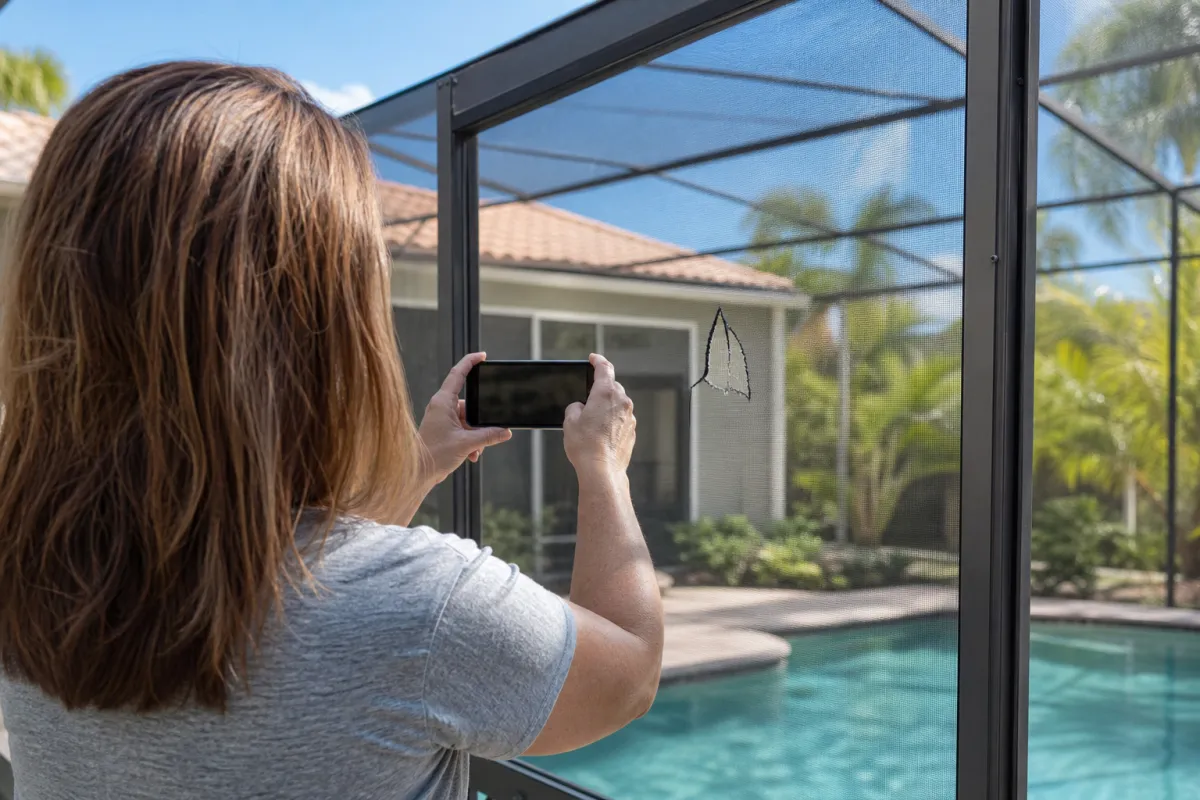
Include one wide photo showing the full enclosure and several close-ups of the damaged areas. Useful images may show torn mesh, loose spline, door alignment, worn hardware, separated edges, or framing that appears bent or corroded. Photograph roof panels only from a safe ground-level position; never climb onto a screen enclosure. Good photos help the contractor understand the likely repair category and prepare better follow-up questions, although an on-site review may still be required before pricing.

3. CONFIRM REPAIR DETAILS & AVAILABILITY
A participating contractor will review the address, project description, photos, and current workload before confirming service coverage. If the request is a fit, the contractor will explain whether an inspection is needed, recommend repair or rescreening, discuss material options, and provide final pricing and timing. Ask the contractor directly about credentials, insurance, warranties, payment terms, permits when applicable, and how hidden framing damage would be handled. No work should be scheduled until the homeowner and contractor agree on the work to be completed.
POOL SCREEN REPAIR QUESTIONS
CLEAR ANSWERS BEFORE YOU REQUEST AN ESTIMATE.
DO YOU REPAIR INDIVIDUAL SCREEN PANELS?
Yes. A repair request can cover one damaged panel, several panels, or a combination of wall, roof, and door-screen problems. Targeted panel replacement is often considered when the surrounding mesh and frame still appear serviceable. The request should identify the approximate number of panels, their locations, and whether any damage is above a pool or otherwise difficult to access. Photos help the contractor judge panel shape and access needs before following up. The assigned contractor will confirm whether an isolated repair is practical or whether widespread brittle mesh makes a larger rescreening project more sensible.
WHEN IS A FULL RESCREEN BETTER?
A full rescreen may be worth evaluating when mesh is brittle, faded, sagging, pulling away in many places, or failing across multiple panels. It can also make sense when repeated small repairs have created mismatched areas or when an older enclosure is likely to develop additional tears soon. The decision should consider the overall condition of the mesh, the number and location of damaged panels, access requirements, and whether door hardware or framing also needs attention. A contractor should inspect the enclosure, explain repair versus replacement options, discuss available mesh choices, and provide a written repair plan before you decide.
WHICH AREAS DOES THIS SITE COVER?
Primary coverage is Wesley Chapel and Land O' Lakes. Requests may also be accepted from Lutz, Zephyrhills, San Antonio, Dade City, New Tampa, and other nearby Pasco County communities when a participating contractor serves the address. Coverage can vary by project type, travel distance, workload, and access requirements, so listing a community on this page is not a guarantee that an appointment is available. Submit the property location and a short description of the repair needed. The contractor reviewing the request will confirm whether the address falls within their current service area before discussing an inspection or scheduling work.
CAN I SHARE PHOTOS WITH MY REQUEST?
Yes. Helpful photos can reduce back-and-forth and give the contractor a better starting point. Include one wide view that shows the entire pool cage, lanai, patio, or screen door, followed by close-ups of each torn panel, loose edge, damaged latch, bent frame, or other visible problem. Take pictures from a safe location and do not climb onto the enclosure or place yourself near unstable framing. If possible, include an object or doorway for scale and note where roof panels are located. Photos support initial review, but they do not replace an on-site assessment when one is needed.
WHO CONFIRMS THE FINAL JOB DETAILS?
The contractor who accepts the request confirms the final job details. That includes verifying that the property is inside the contractor's service area, reviewing the enclosure and access conditions, recommending repair or replacement, identifying the mesh and hardware to be used, and providing the final price and schedule. Homeowners should also ask the contractor directly about business credentials, insurance, permits when applicable, payment terms, warranties, cleanup, and how unexpected framing damage would be handled. Pasco Screen Repair helps organize the initial request, but it does not make those contractor-specific promises or authorize work on the homeowner's behalf.
BEFORE YOU REQUEST AN ESTIMATE
Before requesting an estimate, gather the property address, enclosure type, approximate number of damaged panels, and clear photos from safe angles. Note whether the problem involves wall mesh, roof panels, a screen door, hardware, spline, or visible framing. Mention storm damage, pets, tree limbs, pool access, gates, landscaping, or other conditions that may affect the work area. If you are considering a full pool-cage rescreen, include approximate enclosure dimensions when available and identify any mesh or privacy-screen questions you want discussed. These details help a contractor prepare for follow-up, but final recommendations, measurements, materials, service availability, credentials, scheduling, warranties, and pricing must be confirmed directly with the contractor before work is scheduled.
AREA: PASCO COUNTY
REQUEST HELP: 813-755-8732
CONTACT: ONLINE REQUEST FORM
SITE: PASCOSCREENREPAIR.COM